NDT Methods and Applicable Codes

Our personnel are qualified to perform inspections to the code, standard, OEM or customer specification that governs your work. The standards listed with each service are typical examples, not a limit on what we inspect to.
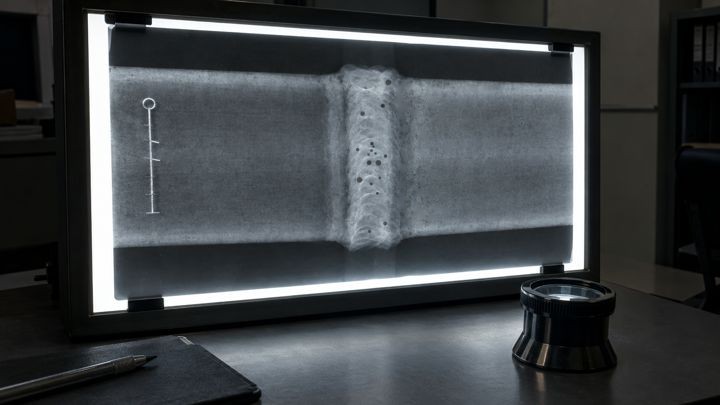
Radiographic Testing (RT)

Radiographic Testing (RT)

Film radiography of castings, welds, forgings and piping, interpreted by certified Level II and Level III personnel.

  • Film radiography with X-ray and gamma sources (Ir-192, Se-75, Co-60)
  • Investment castings, structural and pressure welds, piping and components
  • Technique development and written techniques with Level III approval
  • Interpretation, reader sheets and reports to the governing code or customer specification

Typical codes and standards: ASTM E1742, E94, E1030, E1032; ASME Section V Article 2; AWS D1.1 and D17.1; API 1104; AMS 2175 casting classes

Request a Quote
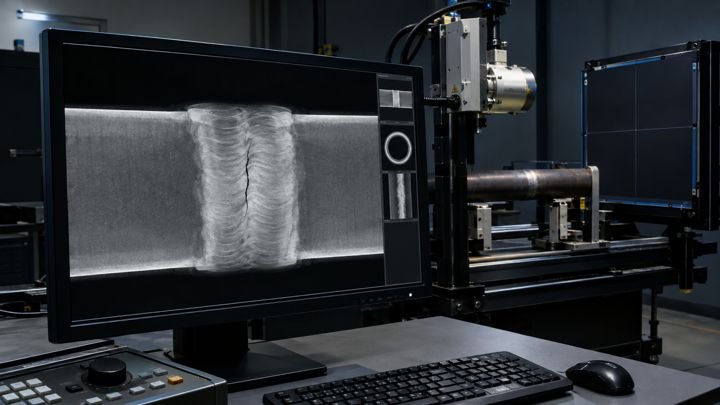
Computed and Digital Radiography (CR/DR)

Computed and Digital Radiography (CR/DR)

Digital imaging with phosphor imaging plates (CR) and digital detector arrays (DR) for faster results, lower exposure and archivable images.

  • Computed radiography with imaging plates and laser scanning
  • Digital radiography with flat-panel detector arrays
  • System qualification, image quality and performance verification
  • Digital image review, annotation and secure archiving

Typical codes and standards: ASTM E2033, E2445, E2698, E2737, E2007; ASME Section V Article 2 Mandatory Appendices

Request a Quote
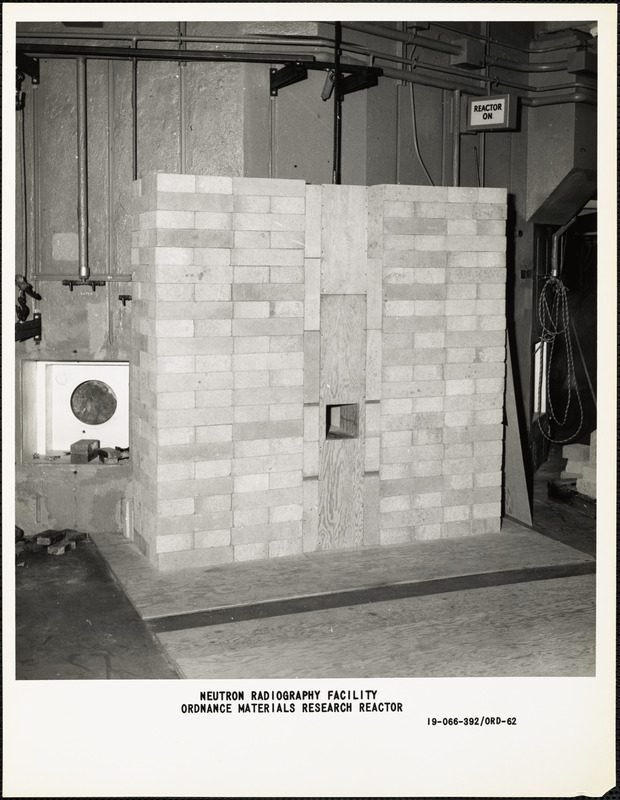
Neutron Radiography (NR)

Neutron Radiography (NR)

Coordination and Level III oversight of neutron radiography for aerospace components where hydrogenous material, ceramic core residue or energetic devices must be imaged.

  • Turbine blade core-residue inspection planning
  • Technique review, image quality indicators and beam purity
  • Interpretation and reporting
  • Facility qualification and audit support

Typical codes and standards: ASTM E748, E545, E803, E1316; customer and OEM specifications

Request a Quote
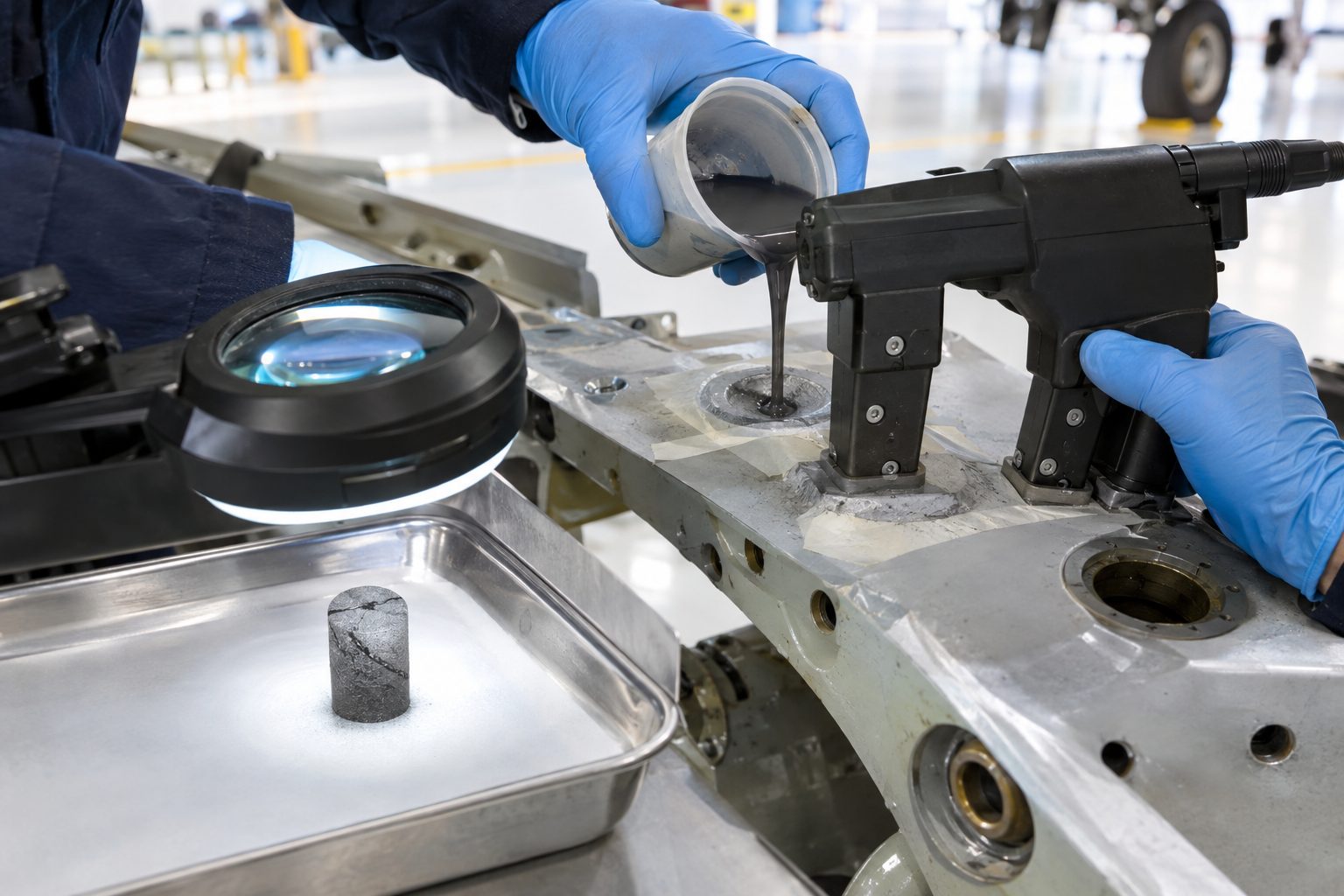
Magnetic Particle Testing (MT)

Magnetic Particle Testing (MT)

Surface and near-surface examination of ferromagnetic aerospace and industrial components, including landing gear, wing attach fittings, fastener holes, shafts, forgings and welds.

  • Magnetic rubber inspection of aerospace fastener and bolt holes, with replica evaluation under magnification
  • Portable AC yoke examination with visible and fluorescent particles, plus wet horizontal bench inspection
  • Head shot, coil shot and portable yoke techniques with continuous and residual magnetization
  • Field strength verification, ring and shim checks, bath concentration and UV-A intensity control
  • Demagnetization and indication evaluation to the acceptance criteria specified

Magnetic rubber inspection in detail →

Typical codes and standards: ASTM E1444/E1444M, E709, E3024; ASME Section V Article 7; AWS D1.1 and D17.1; customer and OEM specifications

Request a Quote
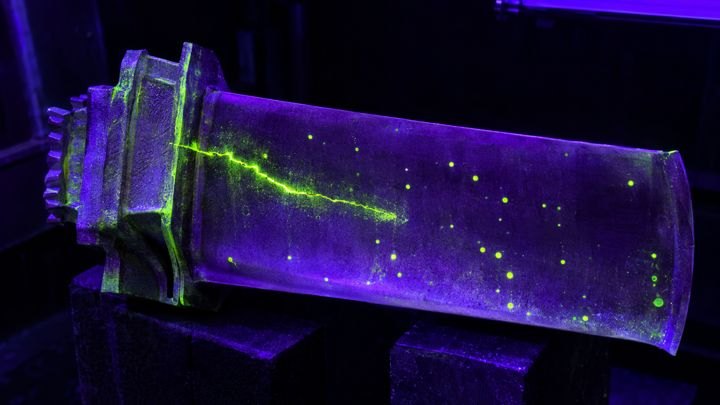
Liquid Penetrant Testing (PT)

Liquid Penetrant Testing (PT)

Detection of surface-breaking discontinuities in castings, forgings, machined parts and welds using fluorescent and visible penetrant methods.

  • Fluorescent and visible penetrant, Types I and II, sensitivity Levels 1 through 4
  • Water-washable, post-emulsifiable and solvent-removable processes
  • Process control checks, system performance panels and lighting verification
  • Indication evaluation and reporting to the acceptance criteria specified

Fluorescent penetrant inspection in detail →

Typical codes and standards: ASTM E1417/E1417M, E165; ASME Section V Article 6; AMS 2644 materials; AWS D17.1; customer and OEM specifications

Request a Quote
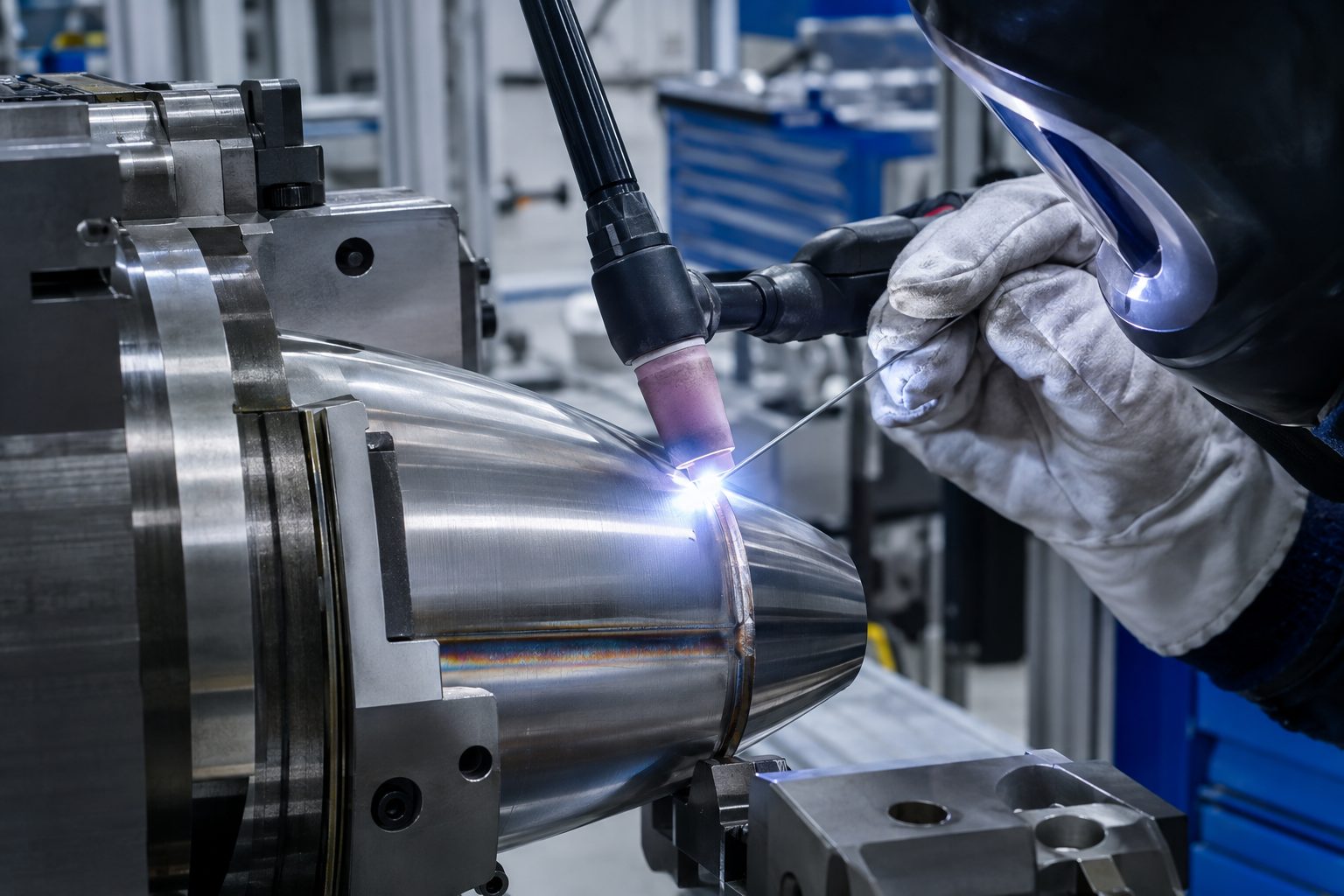
AWS D17.1 Aerospace Weld Inspection

AWS D17.1 Aerospace Weld Inspection

Visual and nondestructive inspection of aerospace fusion welds to AWS D17.1/D17.1M, Specification for Fusion Welding for Aerospace Applications.

  • Weld class determination and acceptance criteria for Class A, B and C welds
  • Visual, penetrant, magnetic particle and radiographic examination of aerospace welds
  • Welding procedure and welder qualification record review
  • Discontinuity evaluation: cracks, porosity, incomplete fusion, undercut, concavity and reinforcement

AWS D17.1 weld inspection in detail →

Typical codes and standards: AWS D17.1/D17.1M; AWS D17.2 (resistance welding); customer drawing and OEM requirements

Request a Quote
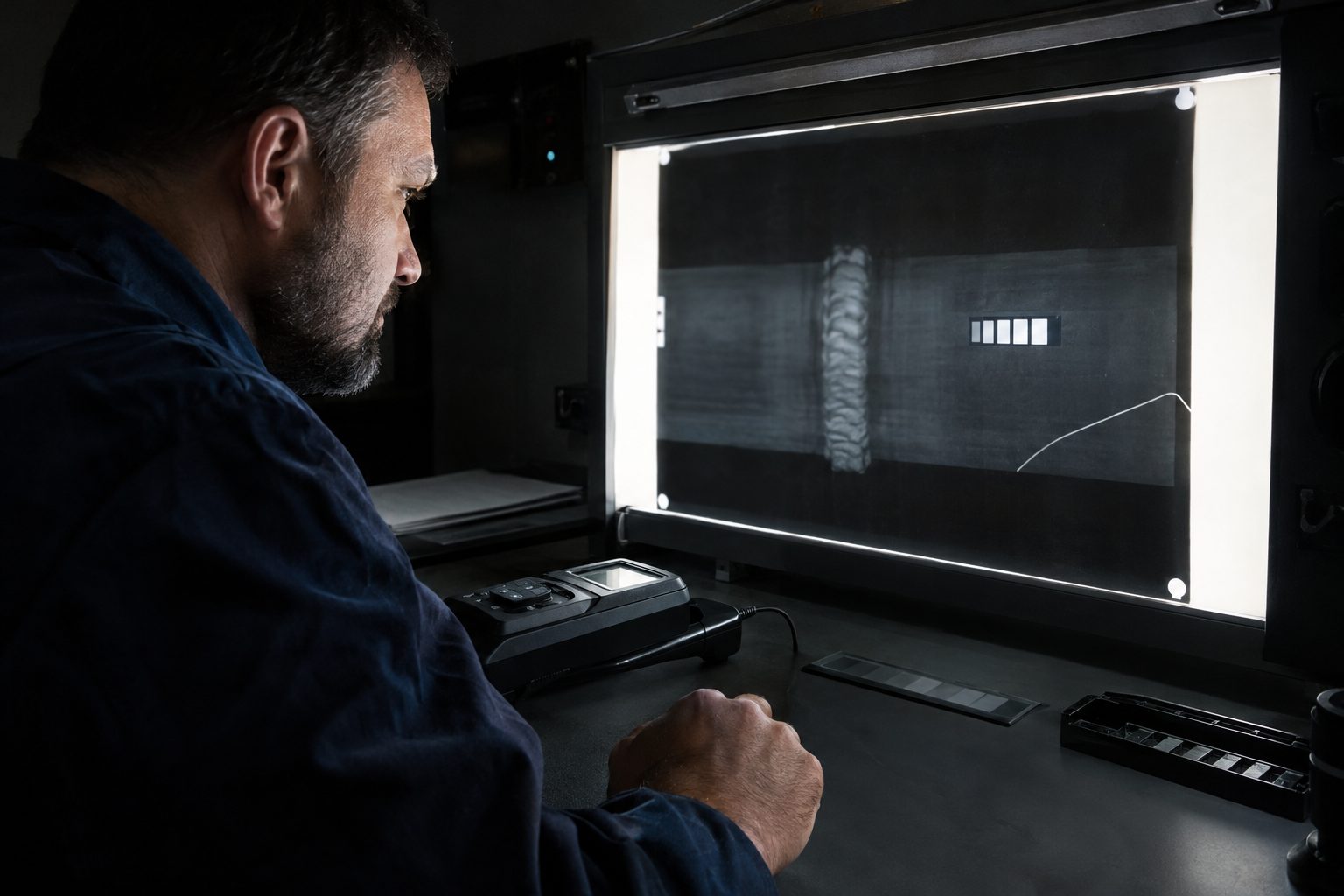
Film Auditing

Film Auditing

Independent Level III review of radiographic film and digital images to confirm the work meets the governing code before it is accepted.

  • Density, image quality indicator sensitivity and geometric unsharpness checks
  • Coverage, identification, location markers and film quality review
  • Second-party interpretation and reader-sheet verification
  • Supplier and subcontractor radiography audits with written findings

Film auditing in detail →

Typical codes and standards: ASME Section V; ASTM E1742, E94, E1025, E747; API 1104; AWS D1.1 and D17.1; customer specifications

Request a Quote
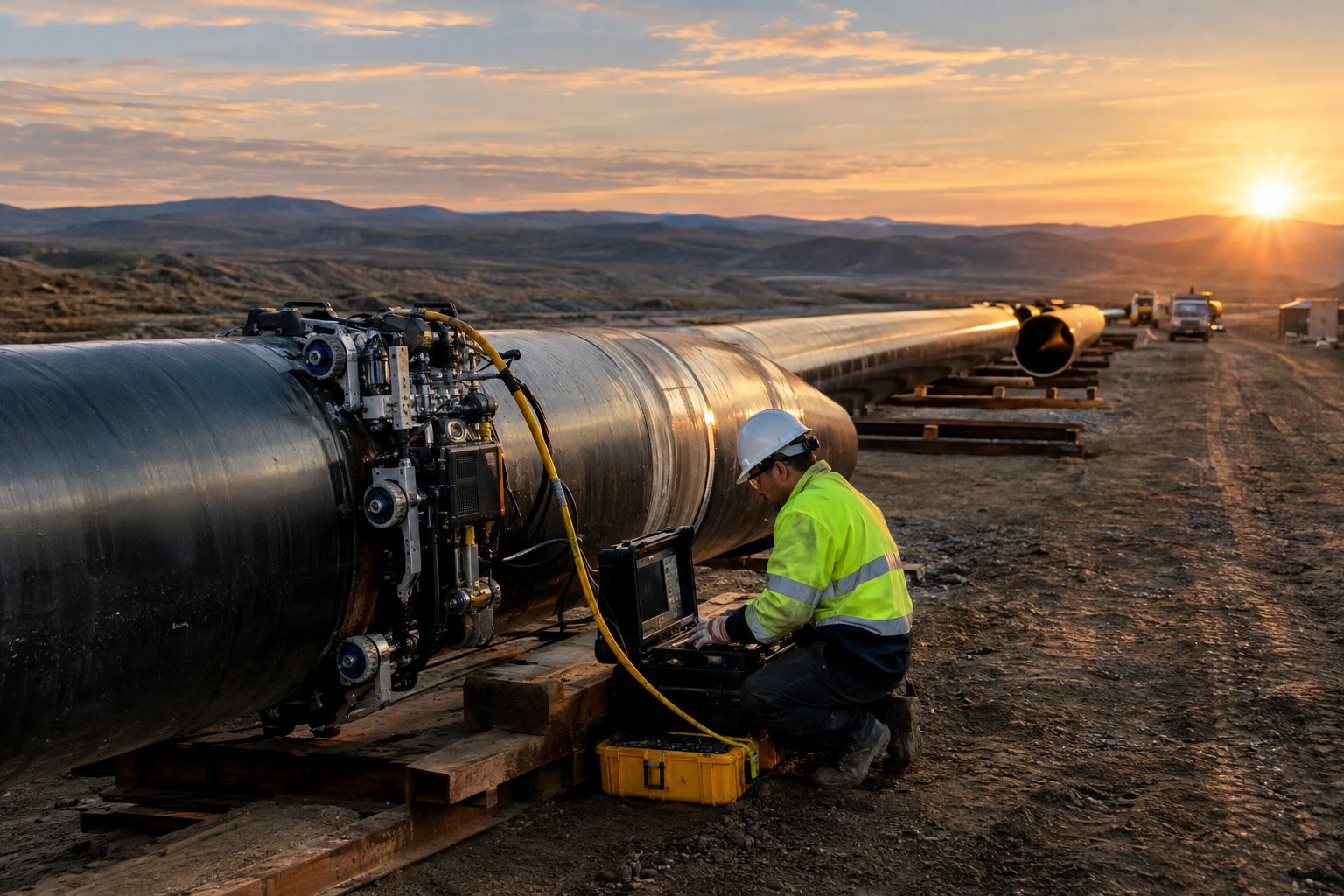
Pipeline Consulting and Auditing

Pipeline Consulting and Auditing

Consulting, oversight and auditing for transmission, distribution and process piping projects.

  • Radiographic inspection of girth welds and review of NDT procedures
  • Third-party audit of NDT contractors, techniques and radiation safety practices
  • Weld procedure, welder qualification and inspection record review
  • Owner representation and Level III technical support

Typical codes and standards: API 1104; ASME B31.1, B31.3, B31.4 and B31.8; 49 CFR Parts 192 and 195; ASME Section V

Request a Quote
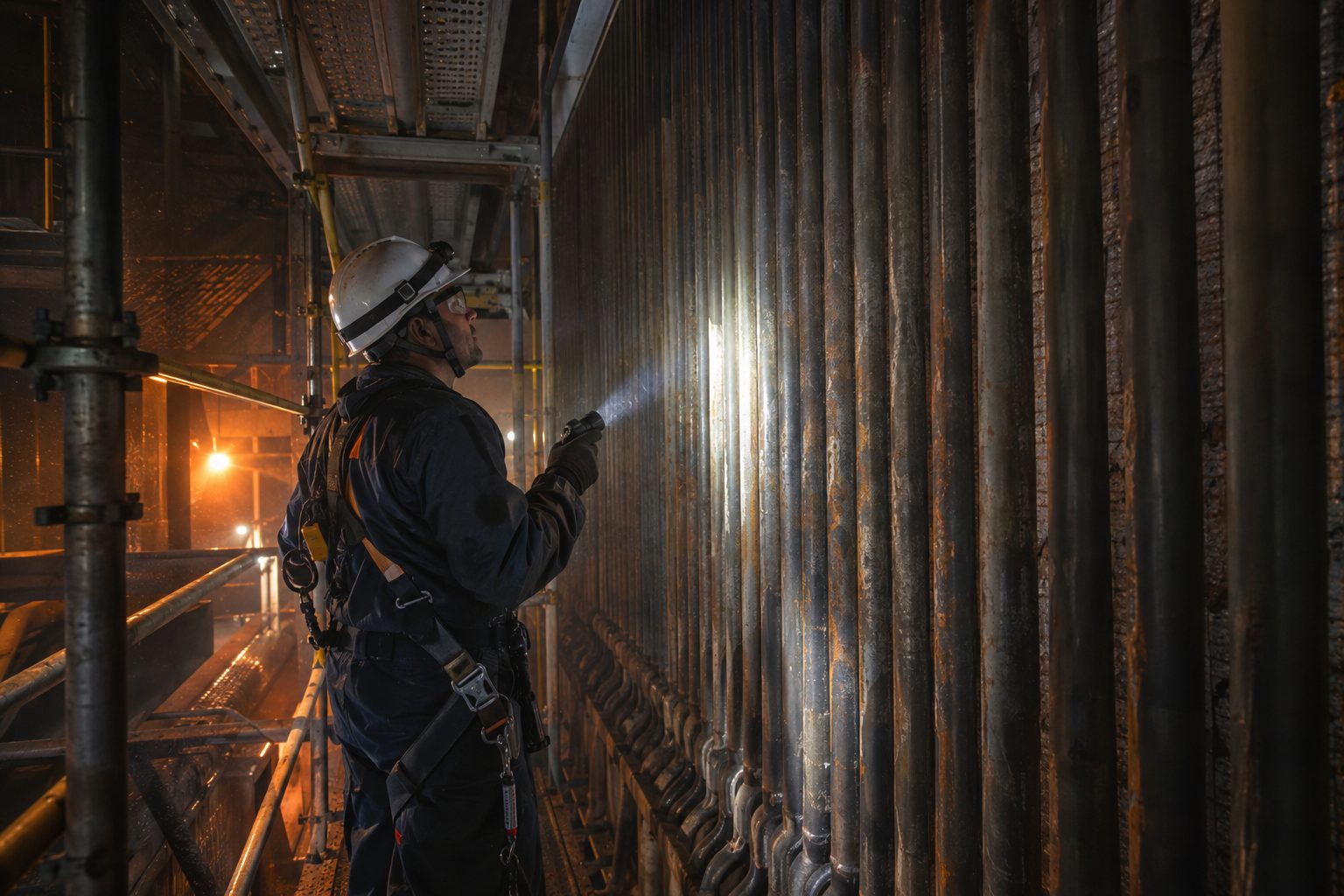
Power Generation and Infrastructure

Power Generation and Infrastructure

Outage and new-construction inspection for coal-fired and fossil-fuel power plants, industrial facilities and structural infrastructure.

  • Boiler waterwall, superheater and reheater tube weld radiography
  • Header, steam piping and attachment weld examination
  • Structural steel and bridge weld inspection
  • Outage planning and inspection data packages

Typical codes and standards: ASME Section I and B31.1; ASME Section V; AWS D1.1 and D1.5; owner specifications

Request a Quote
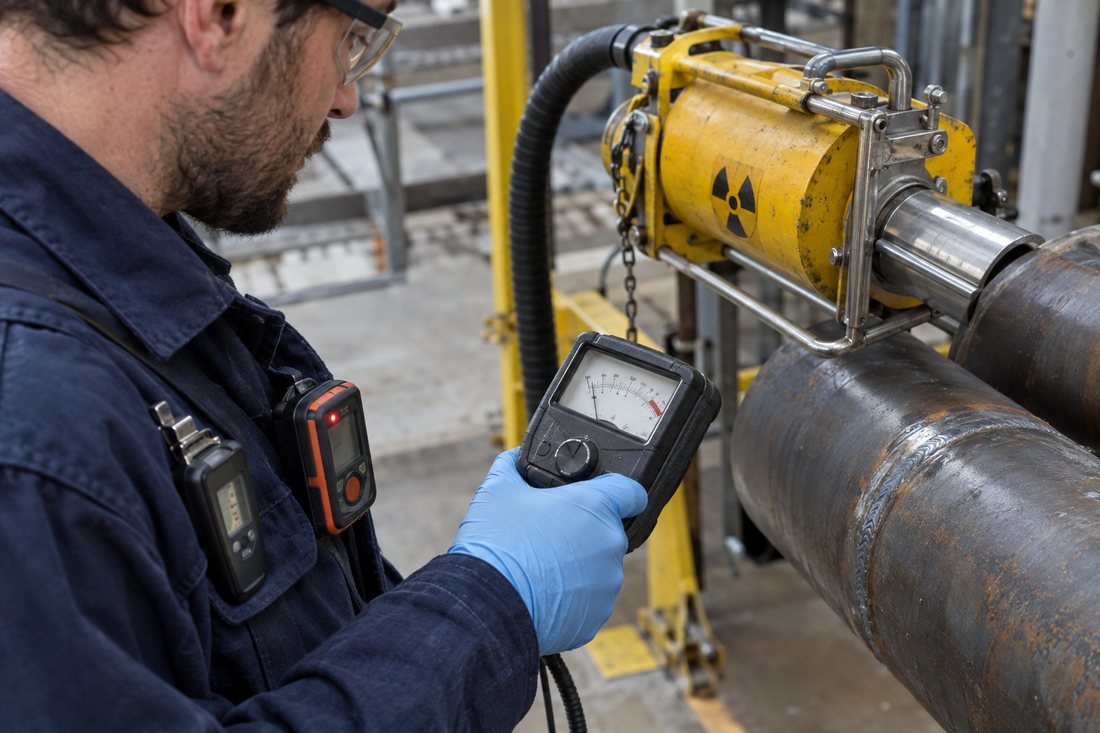
Radiation Safety

Radiation Safety

Radiation safety program support for industrial radiography, including a 40-hour radiation safety course aligned to the ASNT IRRSP training topics.

  • Radiation safety program development and audits
  • Area surveys, dosimetry programs and posting
  • Radiographer and assistant training and practical examinations
  • Regulatory compliance support for NRC and Agreement State requirements

Typical codes and standards: 10 CFR Parts 20 and 34; N.J.A.C. 7:28; ASNT IRRSP

Request a Quote